Historic Sites in Culpeper, VA: A Guide for Local Visitors
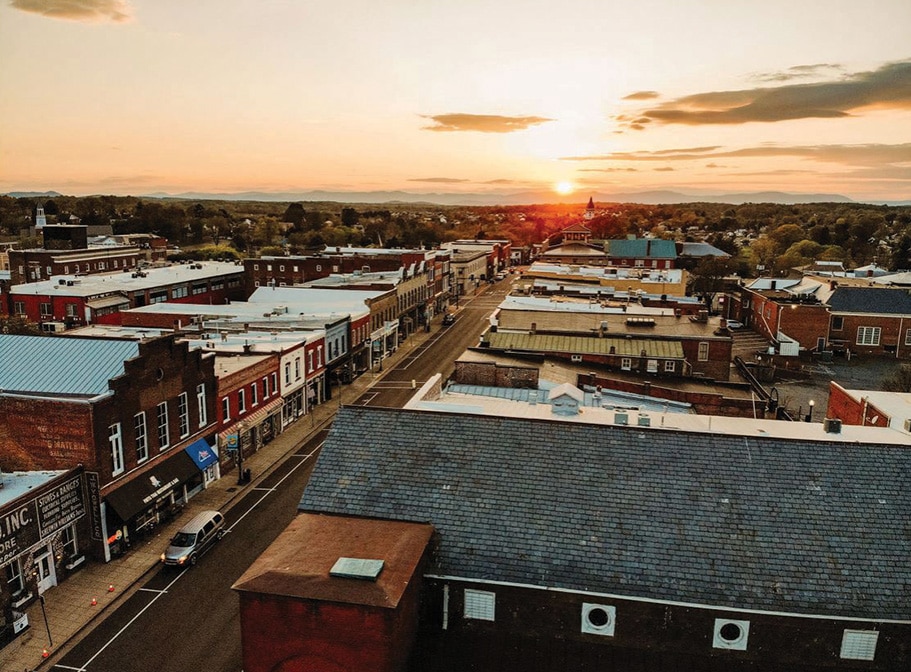
Culpeper, VA, offers a rich mix of American history, preserved buildings, and landmarks that tell the story of Virginia's past. From historic streets in the town center to Civil War sites across the county, there is plenty to explore. You can enjoy a relaxed visit while learning how local events shaped the region.
Whether you live nearby or plan a weekend trip, exploring historic sites in Culpeper gives you a better understanding of the area's heritage. You can walk through downtown, visit a local museum, or explore nearby battlefields. Each stop offers a different view of the people and events that shaped this part of Virginia.
This guide covers the key historic places to explore in Culpeper, VA, along with practical tips to help you plan your visit.
1. Explore Historic Downtown Culpeper
Downtown Culpeper is an excellent starting point for a local history tour. Its historic buildings, traditional storefronts, and walkable streets reflect the town's growth over time. You can explore the area at your own pace and enjoy local shops and restaurants along the way.
Walk Along East Davis Street
East Davis Street is one of the main areas to explore in downtown Culpeper. The street features historic architecture and local businesses that give the town its distinct character.
As you walk, look at the building fronts, brickwork, windows, and older architectural details. These features help show how the town developed across different periods. Some buildings now serve as shops, offices, and restaurants, which connect the town's history with modern community life.
Wear comfortable shoes and allow time to explore the side streets. You can take photos from public areas and stop at local businesses during your walk.
Discover the Historic Town Center
The downtown area offers more than shopping and dining. It also gives you a chance to see how Culpeper has changed over the years. Older buildings stand alongside newer businesses, which creates a mix of historic character and modern life.
Take a slow walk through the center and notice the details around you. If you want a deeper look at the town's background, you can click here to read more about Culpeper's history and development.
2. Visit the Museum of Culpeper History
The Museum of Culpeper History is a valuable stop for visitors who want to learn about the area's past. It explores local history through exhibits, photographs, documents, and objects connected to the community.
Learn About Local Heritage
The museum helps explain how Culpeper developed from its early settlement to its modern role in Virginia. Exhibits may cover local industries, transportation, daily life, and major historical events.
This information can help you understand the places you see around town. It also gives you a clearer picture of how national events affected local families and communities.
Before your visit, check the museum's current hours, admission details, and exhibit schedule. This helps you plan your day without missing an important stop.
Make History Interesting for the Whole Family
A museum visit can suit adults, students, and families. You can learn at your own pace and focus on the subjects that interest you most.
If you visit with children, encourage them to look for photographs, old objects, and stories about everyday life. These details can make the past easier to understand. Allow enough time to explore without rushing through the exhibits.
3. Explore Brandy Station Battlefield
Brandy Station Battlefield is one of the important Civil War locations near Culpeper. The area is known for a major cavalry battle fought on June 9, 1863. The engagement played a role in the military campaign that led toward Gettysburg.
Understand the Battle's Importance
The Battle of Brandy Station involved Union and Confederate cavalry forces. It became one of the largest cavalry engagements of the American Civil War.
Visiting the area can help you understand why Culpeper County held strategic value during the conflict. Roads, open fields, and nearby communities played a part in military movements across the region.
You can learn more about the battle through local historical information and preservation groups. Check current access details before you travel, as some areas may have restrictions or require a guided visit.
Respect the Historic Landscape
Battlefield areas preserve more than the memory of military events. They also protect important landscapes that help visitors understand the setting of the conflict.
Stay on permitted paths and follow posted signs. Do not remove objects or enter private land without permission. Respectful visits help protect these places for future visitors.
4. Discover the Graffiti House in Brandy Station
The Graffiti House is another historic attraction near Culpeper. This building is known for the names, drawings, and messages that soldiers left on its interior walls during the Civil War era.
See Personal Stories From the Past
The markings inside the building offer a personal connection to the people who passed through the area. They help visitors think beyond battle dates and military reports.
The house also provides insight into how buildings served different purposes during wartime. Structures that once supported daily life could become temporary military spaces during periods of conflict.
A visit can add depth to a day spent exploring Brandy Station and nearby Civil War landmarks.
Plan Your Visit Before You Arrive
Historic properties may have limited opening hours or scheduled tours. Confirm access arrangements before leaving Culpeper.
Follow instructions from staff or guides during your visit. Avoid touching historic surfaces unless the site permits it. These simple steps help protect the building and its original features.
5. Explore Cedar Mountain Battlefield
Cedar Mountain Battlefield is located near Culpeper and is linked to the Civil War Battle of Cedar Mountain, fought on August 9, 1862. The battle formed part of the wider campaign in central Virginia.
Learn About the Battle
The fighting at Cedar Mountain involved Union and Confederate forces during a period of major military activity in Virginia. The outcome affected operations in the region and shaped the events that followed.
The battlefield offers an opportunity to learn about military strategy, troop movements, and the role of the local landscape. Historical signs, walking areas, and educational resources can help explain what happened.
Check current visitor information before your trip. Access to individual areas may vary, and some land may be privately owned.
Visit With Care
Battlefields are places of remembrance and historical study. Treat the land with respect and follow all access rules.
Wear suitable shoes if you plan to walk on trails or uneven ground. Bring water during warm weather and allow enough time to explore the area without rushing.
6. Learn About the Battle of Culpeper Court House
Culpeper's location made it important during the Civil War. Union and Confederate forces moved through the area at different stages of the conflict. The town and surrounding county experienced occupation, military activity, and changes in daily life.
Understand Culpeper's Strategic Location
Culpeper County sat near important roads and routes through central Virginia. These connections made the area useful for troop movements and military operations.
Learning about the Battle of Culpeper Court House and the wider campaigns can help you understand why the town changed hands during the war. Local history resources provide context for these events and their impact on residents.
Connect History With the Modern Town
As you explore Culpeper today, consider how the town has developed since the nineteenth century. The streets and buildings form part of a community that has adapted over time.
Historic locations help preserve that connection. Take time to learn about the people who lived in the area and the challenges they faced during the war.
7. Visit Nearby Historic Communities and Landmarks
Culpeper makes a useful base for exploring other historic places in the surrounding region. Nearby communities offer additional buildings, landmarks, and stories that help explain Virginia's development.
Explore the Surrounding Countryside
A drive through Culpeper County can take you past historic communities, rural roads, farms, and open landscapes. These areas offer a different view of local life beyond the downtown streets.
Plan a route that includes a few stops rather than trying to see everything in one day. Check access details for historic properties and confirm whether a site is open to the public.
Add Local Attractions to Your Itinerary
You can combine a historic site with a meal in downtown Culpeper or a walk through a local park. This creates a balanced day with time for history, food, and outdoor activities.
For more ideas on local attractions and trip planning, learn more in our Culpeper visitor guide.
8. Plan a Historic Walking Tour of Culpeper
A walking tour is a practical way to explore the historic center without spending the whole day in a car. You can visit downtown streets, look at older buildings, and stop at local businesses along the route.
Choose Your Main Stops
Start with East Davis Street and the surrounding downtown area. Add the Museum of Culpeper History if it is open during your visit.
If you want to focus on Civil War history, plan a separate trip to nearby battlefields and historic properties. Some locations are outside the town center, so you may need a car to reach them.
Prepare for a Comfortable Visit
Check the weather before you leave. Wear comfortable shoes and bring water for longer walks. Use marked pedestrian crossings and follow traffic rules when moving between streets.
If you plan to take photographs, respect private property and any restrictions at museums or historic buildings. A little preparation helps keep your visit safe and enjoyable.
9. Best Time to Explore Historic Sites in Culpeper, VA
You can explore Culpeper throughout the year, but the season can affect your plans.
Spring and Fall
Spring and fall are good times for outdoor history trips. Temperatures may be comfortable for walking, and the surrounding countryside offers seasonal views.
These seasons work well for visitors who want to combine downtown sightseeing with battlefield visits. Check the forecast and site schedules before traveling.
Summer and Winter
Summer offers longer daylight hours, but outdoor sites can become hot. Bring water, wear suitable clothing, and take breaks when needed.
Winter can offer a quieter visit, although some attractions may reduce their hours or close on certain days. Confirm opening times before setting out.
10. Practical Tips for Visiting Historic Sites
Good planning helps you get more from your time in Culpeper.
Check Hours and Access Rules
Museums, historic homes, and battlefields may follow different schedules. Some offer guided tours, while others have limited public access.
Check official visitor information before you travel. Do not assume that every historic building is open to the public.
Protect Historic Places
Historic buildings and battlefields are valuable community resources. Follow signs, stay on approved paths, and leave objects where you find them.
Use trash bins when available and carry your waste with you when needed. Respecting the site helps preserve its history for future visitors.
Build a Realistic Schedule
Choose two or three main attractions for a half-day visit. Allow more time if you want to explore several battlefields or attend a guided tour.
Plan meals and rest breaks around your route. A well-organized schedule gives you time to learn about each place without feeling rushed.
Conclusion
Historic sites in Culpeper, VA, offer a meaningful way to explore Virginia's past. From the streets of downtown Culpeper to Brandy Station Battlefield, Cedar Mountain Battlefield, and the Graffiti House, each location provides a different view of the area's history.
The Museum of Culpeper History adds context through exhibits and local stories. Together, these places help you understand how the town and surrounding county developed over time.
Plan your route, check current opening hours, and follow local access rules. Whether you live nearby or visit for a weekend, you can enjoy a rewarding history trip while helping protect the landmarks that make Culpeper special.